Summary & Key Points
"An evaluation primarily serves to measure the gaps between the project and its implementation. This is its essential and primary objective. However, it also helps prepare for the next steps and future actions. To best assess the impact of the PROXISANTE project on the beneficiary populations, preliminary preparation involving all stakeholders is necessary."
An evaluation first and foremost measures the gaps between a project and its implementation. This is its essential and primary objective. However, it also serves to prepare for the next steps and future actions. To best assess the impact of the PROXISANTE project on beneficiary populations, preliminary preparation with all stakeholders is necessary.
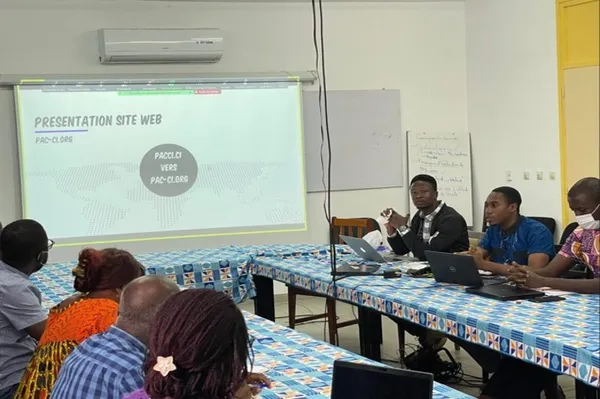
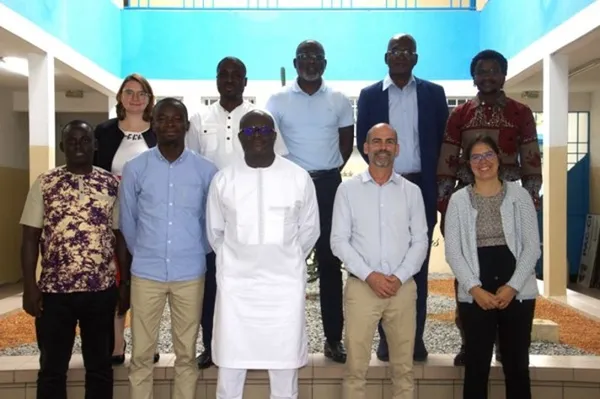
It is within this framework that a team from the PAC-CI Programme, led by Dr. Komena Auguste Eric, Acting Head of the PROXISANTE Project, traveled to the department of Toumodi from September 11 to 13, 2024, to verify the availability and compliance of procedural documents and to engage with target populations.
This field mission took place in three stages: first, courtesy calls to the Departmental Director of Health, a presentation of the mission, and an initial working session aimed at developing a plan for site visits on the one hand, and on the other, designing the message for Community Health Workers (CHWs) so that they could best prepare the sites and the patients benefiting from the project.

Next, a second working session was held with the leaders of the NGO EPE. This provided an opportunity for stakeholders to review various activity reports and challenges encountered during project implementation, assess solutions implemented to address these challenges, and outline recommendations for the PAC-CI Programme.
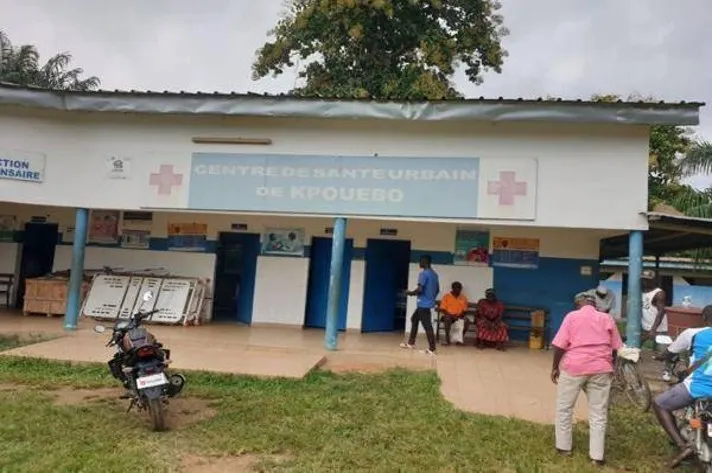
Finally, the mission concluded with visits to physicians and working sessions with CHWs from the Kokoumbo and Kpouebo CSUs. Specifically, these meetings focused on evaluating the household enumeration process, data collection and management, group discussion facilitation, the technical assistance provided by supervising nurses, the health district, the PAC-CI Programme, and national programs, as well as challenges encountered during the project.
For reference, the PROXISANTE project’s main objective is to develop and implement strategies to improve the integration of HIV, malaria, and tuberculosis prevention and care into the community-level health system through CHWs.