Summary & Key Points
"Antimicrobial resistance (AMR), a major public health problem, affects human, environmental, and animal health alike. AMR could cause millions of deaths in the coming years."
Antimicrobial resistance (AMR), a major public health issue, affects human, environmental, and animal health alike. AMR could cause millions of deaths in the coming years. Consequently, Working Group (WG) 8 of the IPORA consortium organized an interdisciplinary “educational workshop” to raise awareness among future PhD students in biology, environmental science, and health about this threat to humanity.
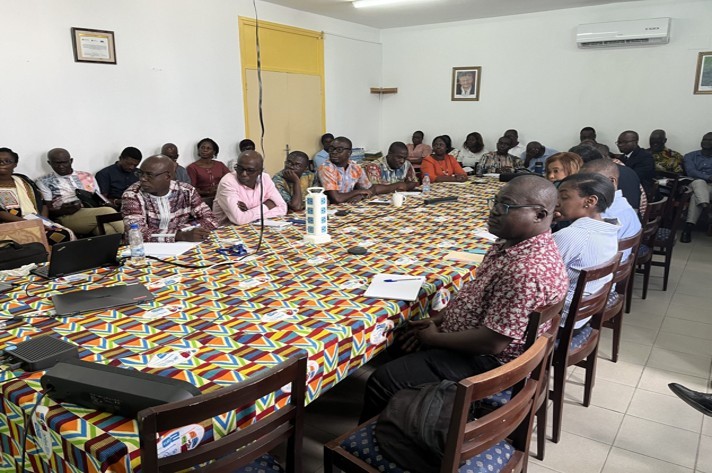
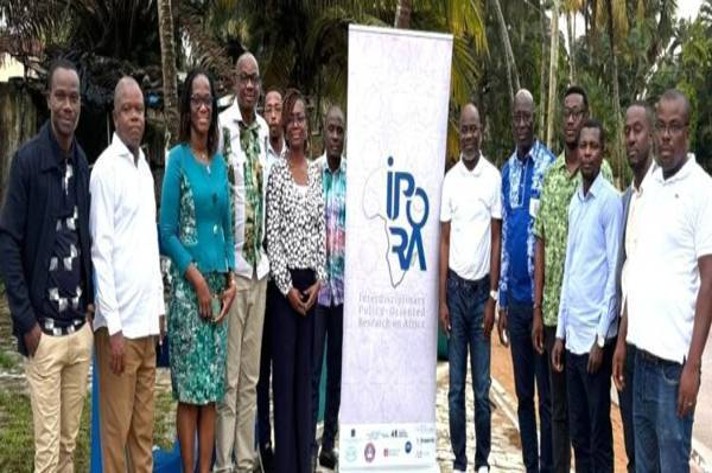
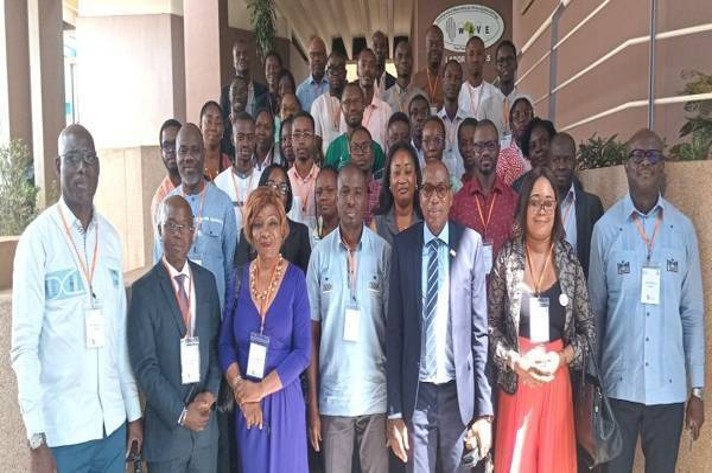
This seminar, which aligns with the “One Health” concept, took place November 26–27, 2024, at the scientific campus of Félix Houphouët-Boigny University in Bingerville. It brought together some 50 participants, including Prof. Horo Apollinaire, vice dean for research at the Faculty of Medical Sciences in Abidjan (UFR-SMA), representing the Director of UFR-SMA, the Executive Director of the PAC-CI Program, Dr. Moh, Prof. Ahonzo-Niamké Sébastien, Director of ED-BES; Prof. Tanon Aristophane, IPORA WP8 Lead; speakers; doctoral students; and postdoctoral researchers.
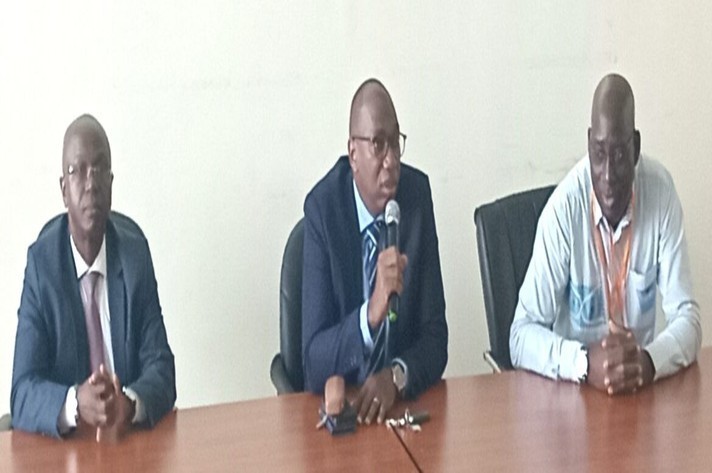
Thus, prior to the official opening of this scientific seminar by the Dean of the UFR-SMA, Prof. Tanon highlighted the importance of the topic, noting that AMR poses a growing threat to public health.
For this reason, drawing inspiration from the Global Action Plan on Antimicrobial Resistance, Côte d’Ivoire has adopted a National Plan to Combat AMR, in addition to establishing a legislative and regulatory framework and guidelines for the overall management of health security in the human, animal, and environmental health sectors, as well as in the agri-food sector.
However, enforcing these regulatory provisions remains a challenge, which contributes to the persistence of a potential health risk for the population. Improved hygiene and infection prevention measures are essential to limit the development and spread of antimicrobial-resistant pathogens. Furthermore, infection prevention and control programs that include in-depth training for healthcare personnel and community-level education are essential to effectively combat antimicrobial resistance in humans and animals throughout the food chain.
According to the IPORA WP8 Lead, this fight requires, more than ever, a multidisciplinary approach to ensure effective antimicrobial stewardship and the promotion of sustainable practices. The contributions of researchers, veterinarians, and healthcare professionals to this seminar were also intended to foster interdisciplinary exchange, learn to communicate clearly, understand one another, identify common areas of interest or methodologies, and ultimately foster interdisciplinarity.
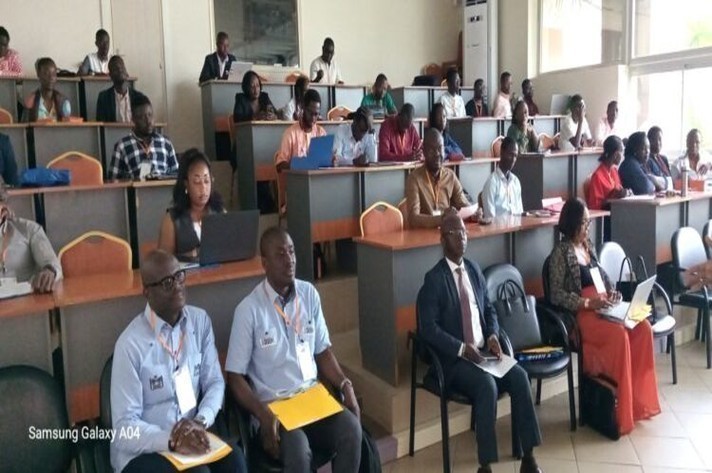
Over the course of these two days, physicians, microbiologists, veterinarians, agricultural workers, environmental professionals, sociologists, and economists took the stage one after another to present on a variety of topics related to the fight against AMR in Côte d’Ivoire.
On the first day, the focus was on the critical issues related to AMR, highlighting its causes, consequences, and possible solutions. Discussions following each presentation covered topics ranging from the need for responsible prescribing and the impact of AMR on animal and human health to challenges related to the environment and agriculture.
The second day was devoted to social perceptions that play a key role in the inappropriate use of antimicrobials, while the economic impact of AMR underscores the urgency of government intervention.
These enlightening and highly enriching analyses underscore the importance of an integrated and collaborative approach to counter this global health crisis, particularly in Côte d’Ivoire. Indeed, this “training through research” approach has enabled ED-BES doctoral students to acquire the necessary and inspiring knowledge for their future research on AMR.
In the medium and long term, the results of this research will provide the Ivorian government, the WHO, and the general public with evidence-based data illustrating the true impact of AMR on human health in Côte d’Ivoire. Ultimately, this should spur widespread mobilization and the allocation of substantial financial resources, with the aim of changing people’s behavior regarding the use of antimicrobials.
Finally, it should be noted that the closing ceremony of this seminar concluded with the presentation of a certificate of participation to each attendee to recognize their efforts and commitment.
PAC-CI
Associate researcher at PAC-CI, contributing to the advancement of scientific research and public health in Côte d'Ivoire.
Contact the author