Summary & Key Points
"Bringing together 4 countries (France, Côte d'Ivoire, Ethiopia, and Morocco), the IPORA (Interdisciplinary Policy-Oriented Research on Africa) consortium is an interdisciplinary research network. Its specific objectives are to analyze the ongoing multidimensional transformations in Africa, identify the questions raised by these transformations, and study these questions to help define public policies. It also aims to co-construct interdisciplinary studies to address these questions and strengthen research capacities in partner institutions."
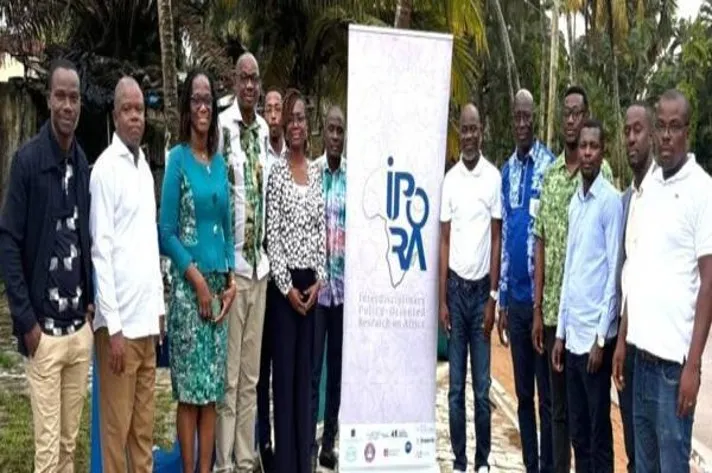
Bringing together 4 countries (France, Côte d'Ivoire, Ethiopia, and Morocco), the IPORA (Interdisciplinary Policy-Oriented Research on Africa) consortium is an interdisciplinary research network with specific objectives to analyze the ongoing multidimensional transformations in Africa, identify the questions raised by these transformations that could help define public policies, co-construct interdisciplinary studies to address these questions, and strengthen research capacities in partner institutions.
The activities of this consortium are based on three research thematic groups, namely environmental pollution and health (WP5), food systems (WP6), and demography and its upheavals (WP7).
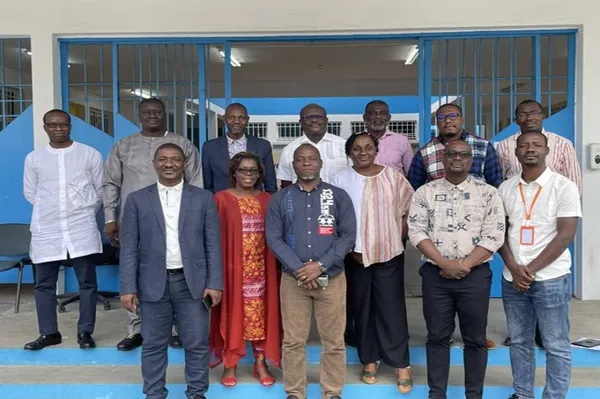
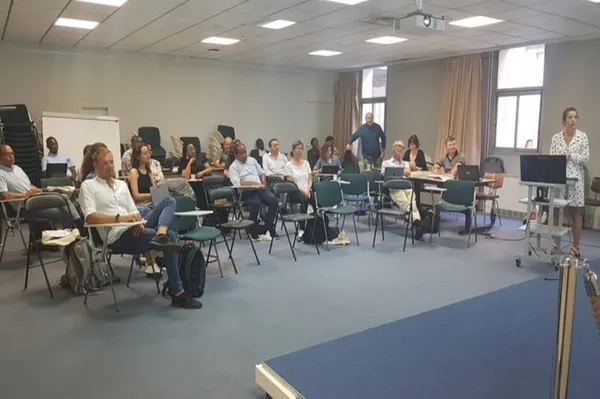
At this scientific seminar organized from November 12 to 16, 2024, in Grand-Bassam, the IPORA WP6 team in Côte d'Ivoire aimed to validate the initiation projects related to nutrition and food security to be submitted for funding within the IPORA network, adopted during a previous scientific seminar organized from August 20 to 24, 2024.

For reference, these are the following projects: "Food behaviors and their impact on metabolic diseases in a context of nutritional transition in Côte d'Ivoire"; "The impacts of socio-cultural constraints on the nutrition of children aged 0 to 5 in rural and urban areas in the Zanzan District in Côte d'Ivoire"; and "The state of socio-economic and spatial inequalities in nutrition in Côte d'Ivoire.
In a participatory approach, and the presentation of reference themes followed by constructive exchanges and discussions, the participants presented the draft research projects written, reviewed these fully written research projects for their finalization and validation, and identified the prospects for research projects for the year 2025.
Note that in order to inform the IPORA network of the results of this scientific seminar, a final report has been prepared and will be disseminated in the coming days.