Summary & Key Points
"As part of the effective launch of the WAKOBO project activities, a mission to set up and train midwives and health workers on the use of the WAKO mobile application was carried out in the Central African Republic..."
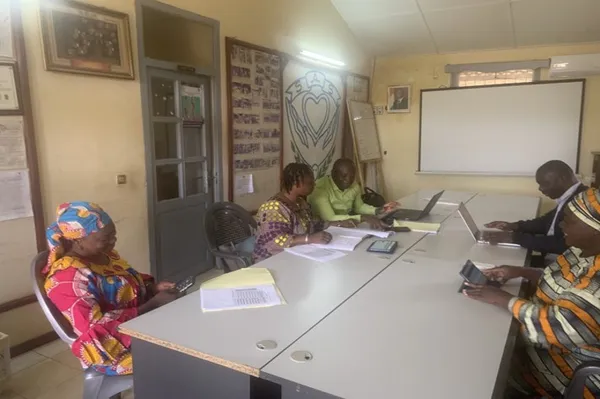
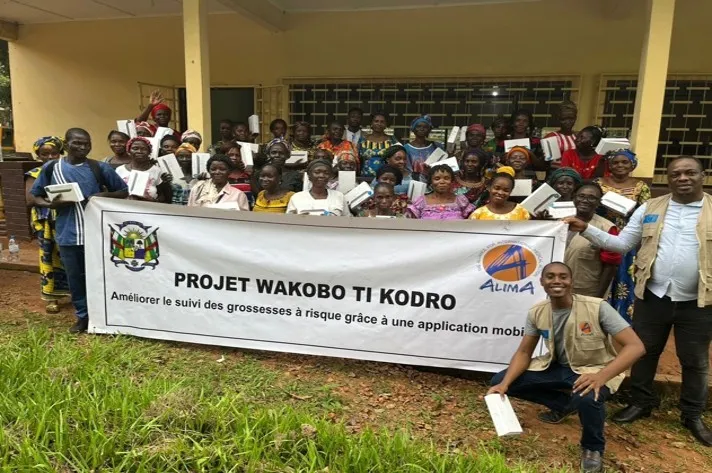
As part of the effective launch of the WAKOBO project activities, a mission to set up and train on the use of the WAKO mobile application for midwives and health workers was carried out in the Central African Republic from September 18 to 30, 2023 by the PACCI-MEREVA IT team.

WAKOBO TI KODRO is an innovative intervention developed as part of CORAL (Clinical and Operational Research Alliance), a joint research platform for ALIMA, PAC-CI Program, and Inserm. The objective of this project is to assess whether an intervention combining (i) training community midwives on identifying and monitoring pregnancies at risk of obstetrical complications in their village/neighborhood, (ii) integrating midwives into the health system, and (iii) using a smartphone-based decision-support digital application tailored to their profile, can increase by an absolute difference of at least +10% the proportion of deliveries of women with high-risk pregnancies in the health facilities included in the study after 10 months of intervention.

WAKOBO is a research project using a digital application developed by PACCI/MEREVA to improve the management of high-risk pregnancies in the Central African Republic. This application can be used on smartphones or tablets, with an interface specifically designed for illiterate users. To this end, the application uses pictograms and voice messages in the "Sango" language (a Central African dialect spoken by midwives).